Posted on Leave a comment

The Impact of Self-Publishing on the Book Business

Self-publishing has transformed the book industry, empowering authors and reshaping traditional publishing models. With platforms like Amazon Kindle Direct Publishing and IngramSpark, writers can now bring their work to market without the need for a traditional publisher. This shift has led to an explosion of diverse voices and genres, making it easier for niche markets to thrive.

One of the significant advantages of self-publishing is the creative control it offers authors. Writers can decide on cover design, pricing, and marketing strategies, allowing for a more personalized approach to their work. Additionally, self-published authors often retain a higher percentage of royalties compared to traditional publishing contracts, providing them with greater financial incentives.

However, self-publishing also presents challenges. Authors must navigate the complexities of book marketing, distribution, and quality control. To succeed, many self-published writers invest in professional editing and cover design, as well as marketing efforts to reach their target audiences.

The rise of self-publishing has also influenced traditional publishers to adapt their strategies. Many now offer hybrid models, providing services to self-published authors while seeking new talent in the indie market. This evolution benefits readers, who gain access to a wider variety of books, and authors, who find more pathways to share their stories.

In conclusion, self-publishing is reshaping the book business by increasing accessibility and diversity. As this trend continues, it will be interesting to see how traditional publishing adapts and how authors leverage new opportunities to connect with readers.

Posted on Leave a comment

The Impact of Technology on the World of Books

The landscape of reading has changed dramatically in recent years, thanks to advancements in technology. From e-books to online platforms, technology has made literature more accessible, interactive, and engaging for readers of all ages.

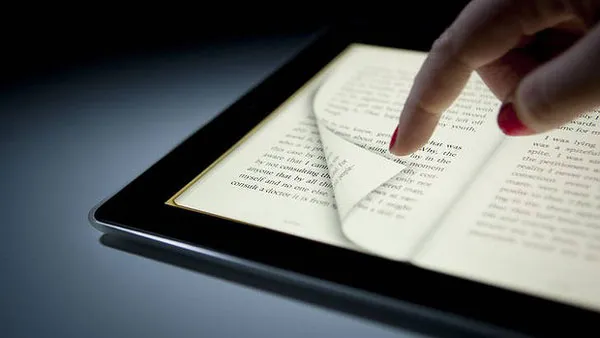
E-books have transformed the way we consume literature. Devices like Kindle and Nook allow readers to download thousands of titles and carry them wherever they go. With features such as adjustable font sizes, built-in dictionaries, and the ability to highlight and take notes, e-books cater to a wide range of reading preferences. This convenience has encouraged more people to explore diverse genres and authors.

Online platforms have also democratized publishing, giving independent authors the opportunity to reach audiences without traditional gatekeepers. Services like Amazon Kindle Direct Publishing and Wattpad enable writers to share their work with readers around the globe, fostering a rich ecosystem of creativity and collaboration.

Audiobooks have emerged as a popular alternative to traditional reading. With the rise of apps like Libby and Audible, listeners can enjoy their favorite books while multitasking—whether commuting, exercising, or relaxing at home. The convenience of audiobooks has introduced a new audience to literature, making it easier for busy individuals to engage with stories.

Moreover, technology has paved the way for book-related communities online. Readers can connect through social media platforms, participate in virtual book clubs, and share reviews and recommendations. This sense of community enhances the reading experience, allowing individuals to engage in discussions and discover new titles.

As technology continues to shape the world of books, it opens up new avenues for storytelling and reading enjoyment. Whether through e-books, audiobooks, or online communities, the future of literature is bright, ensuring that the love of reading thrives in the digital age.

Posted on Leave a comment

How Technology is Transforming the Book Experience

Technology is revolutionizing the way we read and interact with books, making literature more accessible and engaging than ever before. From e-readers to audiobooks, advancements in technology are reshaping our reading habits and preferences.

E-readers like Kindle and Kobo have made it possible to carry entire libraries in our pockets. These devices offer features such as adjustable font sizes, backlighting, and built-in dictionaries, enhancing the reading experience and catering to individual preferences. With thousands of titles available at the touch of a button, readers can easily discover new authors and genres.

Audiobooks have also gained immense popularity, providing a hands-free way to enjoy literature. With platforms like Audible and Google Play Books, listeners can immerse themselves in stories while commuting, exercising, or doing household chores. The rise of immersive storytelling, where narrators bring characters to life with unique voices and sound effects, has further enriched the audiobook experience.

Additionally, technology has paved the way for interactive and enhanced e-books, which combine traditional text with multimedia elements. Readers can enjoy videos, images, and hyperlinks that complement the narrative, creating a more dynamic and immersive experience. This is particularly appealing to younger audiences, encouraging a love for reading through interactive storytelling.

As technology continues to evolve, it opens up new possibilities for how we engage with literature. The combination of convenience, accessibility, and innovation ensures that reading remains a cherished activity in our increasingly digital world. Whether through e-books, audiobooks, or interactive formats, technology is enhancing the way we experience the magic of books.

Posted on Leave a comment

Create a Beautiful Wedding

Boutique festival Secret Garden went down in Sydney’s Camden over the weekend, and all the free-spirited kids came out to play in a mix of creative and outlandish ensembles. Seriously, if you didn’t scream eccentric and quirky, you would’ve felt like the odd one out amongst the aliens, mermaids and glittery hippies dripping in face paint, flash tatts, tiaras,…

Lorem ipsum dolor sit amet, consectetuer adipiscing elit. Integer interdum sem ac magna. Integer in lectus sed ligula commodo commodo. In molestie, neque et porta lobortis, ligula sem auctor mauris, a luctus lacus quam sit amet augue. Aliquam eu felis. Nullam vel erat. Phasellus erat nibh, nonummy sit amet, lobortis quis, imperdiet ornare, dolor. Nunc odio. Nulla eros neque, egestas ut, auctor eu, luctus vitae, nisi. Aenean malesuada leo a nunc. Etiam fermentum neque in justo. Aliquam erat volutpat. Aenean tellus eros, consectetuer ut, hendrerit ut, rutrum at, nunc. Integer dolor odio, posuere nec, molestie at, tincidunt at, lacus. Maecenas at nibh.

Posted on Leave a comment

Autumn Leaves Gelli Print Card

I didn’t know that Father Christmas read my blog, but after my last post I had a phone call asking me if I’d like some Distress Markers for Christmas. Apparently he was a bit busy so his got some of his little helpers, who sounded remarkably like Mum and Dad, to do it for him. Wasn’t that nice?

It’s time to take everything you learned in college about economies of scale and apply it to that ink-sucking monster with the lonely USB cable. Is it cheaper to print photo-quality prints at home, or through an online vendor? This spreadsheet knows. It’s a helpful, formula-laden, and free download at the How-To Geek’s own site, where Eric Z. Goodnight has detailed all the Google searches, cost-per-page figures, and ink yield data you’ll need to put together to figure out whether your Canon, HP, Epson, or Lexmark is as effective as a Snapfish, Kodak, or other e-print provider. XLS-formatted spreadsheet download can be found in the middle of the post. Lorem ipsum dolor sit amet, consectetur adipiscing elit. Ut sit amet nisi posuere, aliqu

m velit nec, egestas erat. Aliquam ipsum magna, consectetur sit amet pellentesque et, blandit blandit nunc. Vivamus ullamcorper, nisi in mollis semper, est justo convallis augue, imperdiet tempus diam lorem quis felis. Praesent et mollis enim. Quisque elementum placerat consequat. Vestibulum porta urna eget dui fringilla vulputate. Nunc condimentum facilisis nisl, eu rhoncus libero tempus sed. Maecenas efficitur libero et ante aliquam varius. Etiam eros lorem, accumsan a semper non, congue nec leo. Integer aliquam efficitur est, et faucibus felis aliquet quis. Sed augue metus, laoreet in egestas vitae, maximus id diam. Maecenas aliquam lacinia vulputate. Pellentesque eu risus quis lectus efficitur sollicitudin.It’s time to take everything you learned in college about economies of scale and apply it to that ink-sucking monster with the lonely USB cable. Is it cheaper to print photo-quality prints at home, or through an online vendor? This spreadsheet knows. It’s a helpful, formula-laden, and free download at the How-To Geek’s own site, where Eric Z. Goodnight has detailed all the Google searches, cost-per-page figures, and ink yield data you’ll need to put together to figure out whether your Canon, HP, Epson, or Lexmark is as effective as a Snapfish, Kodak, or other e-print provider. XLS-formatted spreadsheet download can be found in the middle of the post. Lorem ipsum dolor sit amet, consectetur adipiscing elit. Ut sit amet nisi posuere, aliquam velit nec, egestas erat. Aliquam ipsum magna, consectetur sit amet pellentesque et, blandit blandit nunc.

Vivamus ullamcorper, nisi in mollis semper, est justo convallis augue, imperdiet tempus diam lorem quis felis. Praesent et mollis enim. Quisque elementum placerat consequat. Vestibulum porta urna eget dui fringilla vulputate. Nunc condimentum facilisis nisl, eu rhoncus libero tempus sed. Maecenas efficitur libero et ante aliquam varius. Etiam eros lorem, accumsan a semper non, congue nec leo. Integer aliquam efficitur est, et faucibus felis aliquet quis. Sed augue metus, laoreet in egestas vitae, maximus id diam. Maecenas aliquam lacinia vulputate. Pellentesque eu risus quis lectus efficitur sollicitudin.